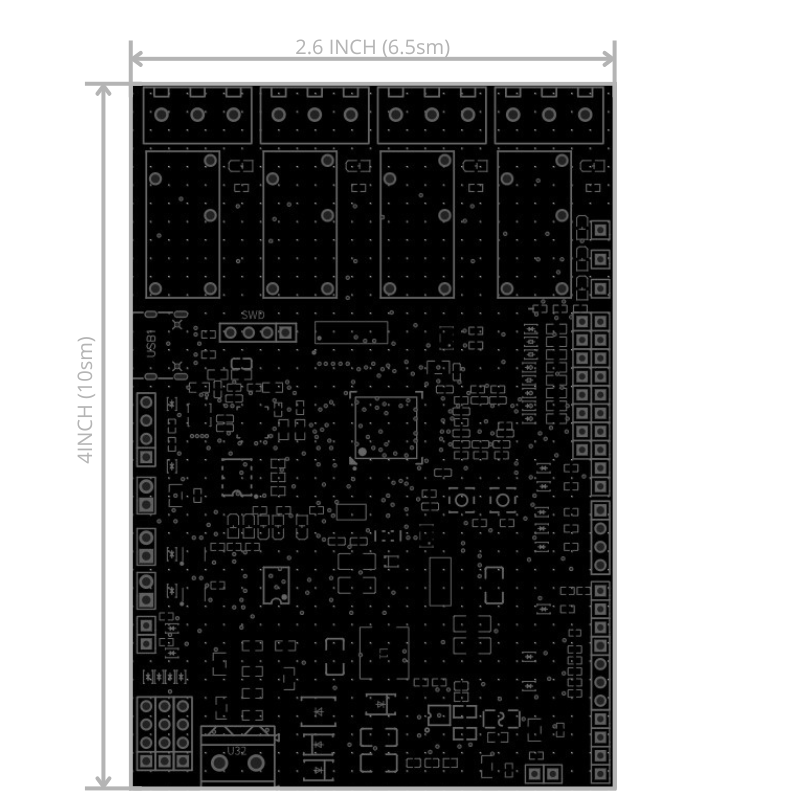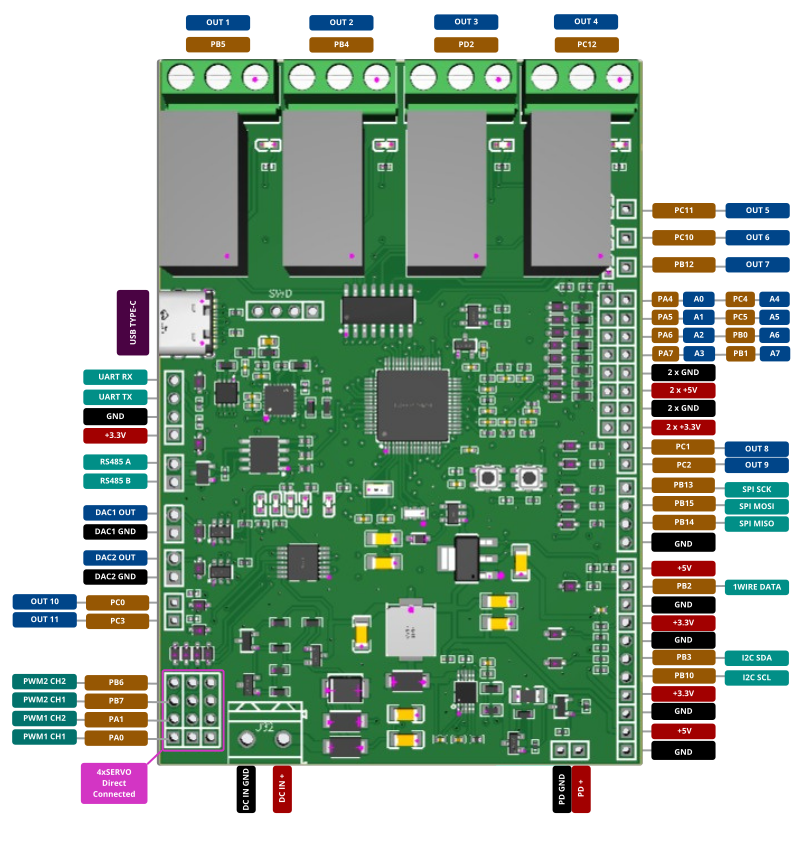
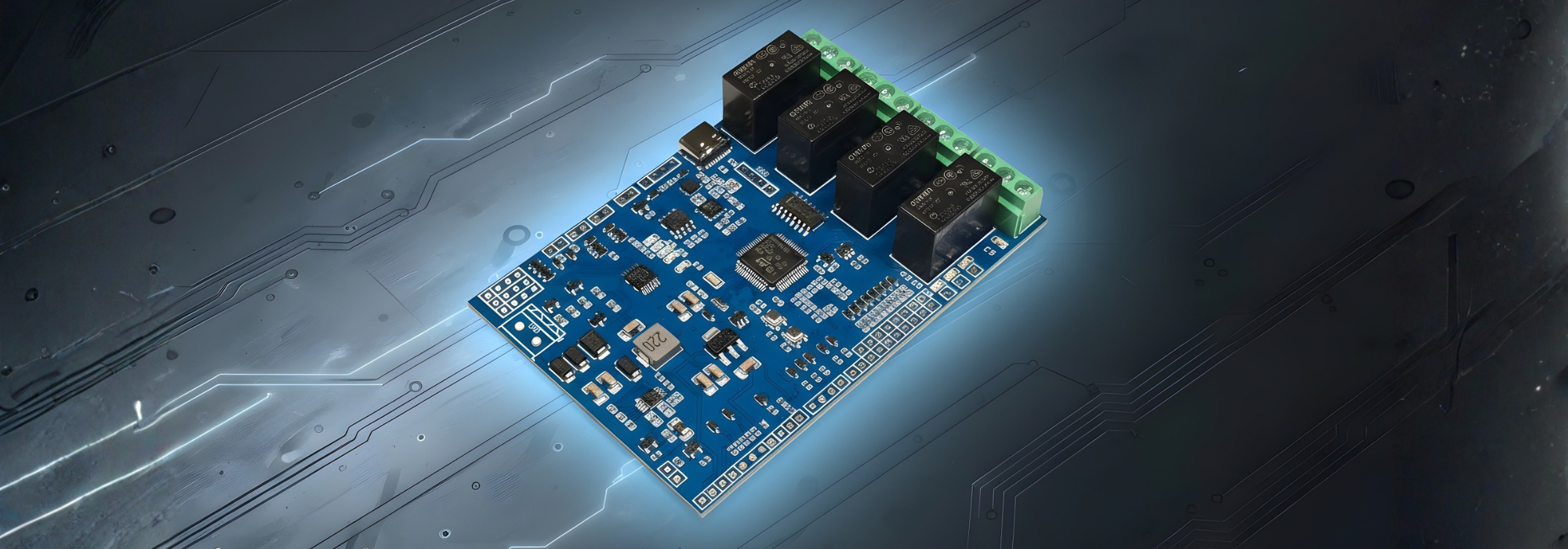
R1BBIT ONE is a next-generation universal development platform designed for engineers, makers, and professionals who need a compact, reliable, and highly capable solution for building electronic systems of any complexity. The board combines strong performance, flexible connectivity, and advanced power management, making it ideal for prototyping, integration, and commercial product development.
R1BBIT ONE supports a broad range of modern interfaces, including Wi-Fi, Bluetooth, and wired communication via USB Type-C, ensuring seamless connection to smartphones, laptops, and workstations running Windows or macOS. With built-in USB-C Power Delivery support, the board automatically negotiates optimal power levels with the power source, delivering stable operation in any scenario—from power banks and wall adapters to USB ports on computers. It also provides multiple regulated output voltages (6V, 9V, 12V, and 18V) for powering external modules and peripherals without additional converters.
A key strength of R1BBIT ONE is its built-in lightweight scripting language (BASIC-like). You can write scripts directly on the device with real-time syntax checking and color highlighting for keywords and data, making coding and debugging intuitive even for beginners. This capability is powerful enough that a full Software section will be dedicated to the language, its commands, and how scripts interact with the board and run on-device.
The platform also offers easy control from a mobile app or desktop software, providing a smooth user experience whether you’re developing locally or managing multiple devices.
For remote projects, R1BBIT ONE includes cloud data storage and remote access, allowing you to store logs and sensor data on a server and control or monitor the board from anywhere in the world.
Designed as a flexible computing module with high-quality components, R1BBIT ONE ensures long-term stability even under continuous load. It is ideal for automation systems, IoT solutions, robotics, research equipment, test benches, and advanced consumer electronics.
Clear architecture, detailed documentation, and broad compatibility with modern development tools allow users to get started within minutes. R1BBIT ONE is made for creators who value power, stability, and thoughtful engineering at every stage of their project.